News Archive

London Coins In The News

Coin News: May 2010 p31

London Coins – General Sale – March 6 & 7, 2010

I have never seen so many certified coins in a UK auction before. Some had been slabbed in the US, but the Coin Grading Service UK (CGS) encapsulated most. Top of the slabbed pieces was a 1601 "Elephant and Castle" five-guineas certified by CGS UK as EF 60. Estimated at £5,000-8,000 it found a new home at £6,786. CGS’ range for extremely fine material is 60-79, so this example, while a perfectly respectable coin, was not choice.

When CGS encapsulates a coin, it adds the piece to its Population Reports. This is a published database showing the quantities of coins (by denomination and then date and type) graded at each level (see pages 53-55 (reproduced here) for our updated report on CGS). This allows collectors to assess how good his or her coins are in relation to others graded by CGS UK, which is important, as there is a strong demand for the best or near best specimens. A number of CGS' rated "finest known" were offered at this sale. This included an 1893 proof florin graded by CGS as UNC 91. Anything above UNC 85 is regarded as "exceptionally nice", so one can safely say this is a choice example. Of the three specimens that CGS has graded this is the finest. Interestingly London Coins estimated the piece at a somewhat punchy £400-600. The coin sold at mid-estimate, making it £585 with Buyer’s Premium.

After the sale auctioneer, Steve Lockett pointed out that a good example of slabbing adding value was when ten lots, each comprising a 1927 second reverse proof sixpence were offered. Nine of these were slabbed. Offered in grades from UNC 88 to UNC 93, prices ranged from £32.76 to £152.10, the highest price being for the UNC 93 specimen. An unslabbed uncirculated example sold for £28.08. Steve Lockett commented, "These lots were fought over by new collectors who started their hobby on slabs and only collect slabs and are not affected by traditional paradigms and ’raw' book values and seem to take for granted that a CGS UNC 91 is worth more than a CGS 90." Three vendors with a penchant for CGS certified coins consigned the material.

The excitement of the slabbed coins to one side, there was plenty to interest potential bidders at this sale. Indeed the sale was notable for its all-round strength. As Steve commented "As usual we had a varied mix across our 14 sections such as paper money, Roman and ancient, modern proofs, slabbed coins, English, world milled, hammered – everything fought over and selling, whether it was a £150 or £5,000 lot". Indeed there were surprises everywhere. For example, in the UK bronze there was an 1860 toothed border (Freeman 15 dies 4 + D) but with the I of BRITT struck over a T. Described as NF/VG the piece was estimated at £50-100, but was fought over to £702. Another penny of the same date but with a beaded border (Freeman 1 dies 1 + A) described as VF/GVF was offered at the same estimate, but cost its purchaser £655.

A silver penny of Coenwulf, King of Mercia (796-821) was offered in very fine state. From Group IV struck at Canterbury from 810-20, it was struck by the moneyer Tidbeart. The estimate was a very undemanding £450-550 (against £2,100 in EF in the price catalogues). The piece sold for a very healthy £2,457. An equally healthy price was the £409.50 paid for an 1852 Maundy set. Apart from a few light hairlines, this set is in uncirculated state and has the benefit of a light grey tone. This made the most sought after Maundy set of the current reign - a 1953 set - look on the inexpensive side at £515. The sale totaled £489,000. London Coins' next auction will break with a long-standing tradition and be held on a Monday and Tuesday. The dates for your diary are June 7 and 8.

Coin News: February 2010 p29

London Coins – General Sale – December 5 & 6, 2010

This £500,000 plus sale took London Coins' turnover for 2009 to a record £2m for this auction house—an increase of 30 per cent over 2008. Because this was a bumper sale of 2,500 lots over two days, the usual convention of having papermoney and bonds exclusively on the Saturday, meant that a proportion of the coin lots were switched from Sunday to the Saturday. The sale contained some excellent lots. This is demonstrated by Stephen Fenton of Knightsbridge Coins driving direct to the sale from Heathrow having just got off a flight from Australia. The stamina and dedication of the man!

And talking of Australia, one of the surprises of the world section was an Australian florin. The estimate at £500-1,000 was a "tease"' as the coin's obverse is about uncirculated with much original lustre, while its reverse is uncirculated with a hint of gold over the original brilliance. Needless to say, the piece was contested. It sold for £4,446, which no doubt brought a smile to the vendor. The consignor of a small group of South African crowns must also have been pleased as the lots all sold for multiples of their estimate. The highlight here was an 1892 (single shaft on wagon) example. The piece, which is toned was described as "AU/UNC with some minor contact marks on the portrait". Estimated at an undemanding £100-200, it sold for a very healthy £2,340.

Glancing through the world coin section my eye was drawn to a Russian 10-roubles issued by the Empress Elizabeth in 1756. The estimate was a very wide £300-1,500, but after reading the cataloguer's comments, one could appreciate why. The piece is in extremely fine state and is of the correct weight and the wear appears to be old. However, the description includes, "[it] has been suggested by one expert to be a high quality copy contemporary or more recent, therefore bought as seen without authentication by us". Well, one cannot be fairer than that. However, it was clear that at least two people were prepared to take a gamble - the piece sold for £1,287.

The sale included the Rayleigh Collection of English Gold. The collection was not large, but it was good. The highlight here was an 1826 proof set comprising the 11 coins from the gold £5 to the copper penny. Apart from some hairlines and contact marks, the set is otherwise in nearly FDC state. In an unlabelled fitted brown box, it sold just above its mid-estimate at £24,670. Two collectors fought over the set, which means that one went away with nothing having bid £20,000 at the auction. While the realisation was not exceptional, it was perfectly reasonable. An unusual 1893 proof set attracted interest. The set is unconventional, for instead of the ten coins from the gold five-pounds to the silver threepence, it comprised 17 specimens. The additional ones were a standard Maundy set of four coins and the bronze penny, halfpenny and farthing in lustrous uncirculated state. The case appears contemporary. The set sold for £8,190, its mid estimate.

An 1821 TERTIO error edge 1821 proof crown (the edge should have read SECUNDO in 1821 - examples are very rare) was offered with a tease estimate of £1,500-2500. The coin has a couple of minor contact marks upon its reverse, but it otherwise in nearly FDC state. The piece was contested to £4,914, which is an extremely healthy price. Top price for a single piece of milled gold was also in the Rayleigh Collection. Here a 1692 QUARTO-edged five-guineas with an elephant and castle below the conjoined busts of William and Mary was offered in "approaching EF" grade. Examples in this grade are scarce and not unreasonably the cataloguer gave an estimate of £5,000-9,000. The coin sold within estimate at £7,897.

Coin News: November 2009 p29

London Coins – General Sale – September 5 & 6, 2009

"We kicked off the season in a very robust and exciting way", said Stephen Lockett after this sale. It was certainly an extraordinary event setting a new record for a Victorian bronze penny. The piece is dated 1863, but needless to say this was not the standard coin but an exceptionally rare variety with a slender 3 in the date. In Freeman's The Bronze Coinage of Great Britain, this variety is given a rarity rating of R20, which means it is "believed to be unique". The cataloguer gave a very wide estimate of £3,000-15,000. Certainly there was no example in the Laurie Bamford Collection sold at Dix Noonan Webb (DNW) in May 2006, albeit that four varieties of the 1863 penny were offered. John Jerrams in Early British Bun Pennies arid Their Varieties lists only one “slender 3" variety of this date in his 2001 census. A commission bid had been received up to £13,000. The piece was contested by a bidder on the phone and one in the room to £22,230, a new auction record for a Victorian bronze penny. The phone bidder proceeded at all times without hesitation. The previous record for a Victorian bronze penny was established on May 21, 2008 when another 1863 bearing the die number 5 on its reverse sold in poor condition at Tennants in North Yorkshire. The only specimen known with this die number it sold for a staggering £20,125. Although the die five variety is not recorded in Freeman (which was last revised in 1985), the existence of the actual coin was known from a letter published in Spink's Numismatic Circular in April 1989. The correspondent was a Mr. D. W. Noakes of the Rochford Hundred Numismatic Society. At the time, when l asked one UK dealer if he was surprised at the Tennants’ result, he responded, "No, I am horrified", adding that the price was way off track from the coin’s true worth. However, the fact that the record has been broken for another potentially unique 1863 variety, indicates that last year’s new record was not a fluke.

The Bamford Collection that was sold at DNW in June 2006 had examples struck from dies number 2, 3 and 4. The Bamford specimen struck from the number 2 sold for £4,600 in very fine state. It is perhaps the finest of all the numbered die pennies, certainly the realisation set a new record for a coin in the series until the Tennants’ sale last year. Bamford's penny struck from die number 3 sold for £2,760 in fine state and the mediocre specimen struck from die number 4 even sold for £2,300.

In this London Coins Auction sale, a good fine 1863 penny struck from die number 3 was offered in very good condition. In his census, Jerrams records three specimens of this variety. It was offered at this sale with an estimate of £750-1,250 and it sold for £3,627. Incidentally. the 1863 Bamford die 3 penny that sold for £2,760 in 2006, sold for the grand sum of £129 (including 8 per cent Buyer’s Premium) when the Freeman Collection was sold by Christie’s during October 1984. After the sale Stephen Lockett of London Coins Auction expressed amazement at the sums low grade Victorian bronze is realising. Pennies have certainly been on the up for a number of years now. However, the identity of the buyer of the five figures rarities remains a mystery. The word on the street after the Tennants’ auction was that the buyer was Scottish. This rumour persists, with the added information that he is "a millionaire". It is also believed that the same person acquired the London Coins Auction’s coin. As one leading dealer in the capital commented, "Most newcomers to coin collecting are middle-aged and turn to pennies as they can remember the Victorian ’bun pennies’ in their change during their childhood". Obviously coins do not rise to dizzy heights without their being an under-bidder (often referred to as "the auctioneers’ best friend"). However, the view still held by some is that there is a degree of "auction fever" with the current meteoric rise in prices for bun penny rarities. The surprises were not just restricted to UK coins. In the world section a 1928 South African sixpence was offered in good extremely fine state. The cataloguer added, “curiously unlisted by Krause". The piece had been lying in a dealer’s tray for some time with a £75 price tag. The estimate was a modest £50-75. The bidding started at £120, which was an indication that someone knew why it was not in Krause. Two telephone bidders from South Africa then contested it to a hammer price of £4,000. Stephen Fenton then stepped in and bid £4,200 which is £4,914 with the Premium. The piece was not illustrated in the catalogue. One dealer must be very happy!

Strangely, UK buyers as opposed to bidders from across the English Channel bought a couple of choice continental coins. The first was a 5-franc issued by Bonaparte as Premier Consul in year 11 of the French Revolutionary Calendar (1802/ 3). Described as “choice UNC with a grey tone over original brilliance with a few minor tone spots, certainly the best grade Napoleonic piece we have seen”, it was estimated at £200-300. It sold for £1,287. A German New Guinea 1894 2-mark in extremely fine condition, but which was enhanced by a pleasing metallic blue tone reverse (featuring a bird of paradise) caused a battle between Britain and Germany. Estimated at £150—250, it sold for £491. Does his mean that British collectors have a greater penchant for choice material than their continental counterparts?

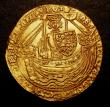
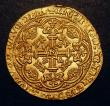
The British market remains strong. The only piece of hammered English gold was an Edward IV Light Coinage (1464-70) Flemish imitative coinage ryal. The piece is in extremely fine state and struck on a broad full flan. It sold towards its top estimate at £1,638. Top price in the hammered section was for an Elizabeth l silver crown with the mintmark 1 (for 1601). In near extremely fine state, the Queen’s drapery is particularly sharp. The cataloguer added, “bold and even all round with an even tone, a few small surface marks" on the obverse which “hardly detract". Certainly examples in this state are rare and desirable. The auction house sold a marginally more desirable piece in December 2006 for a hammer price of £11,000. This example was estimated at £4,000-8,000, but sold at 20 per cent above the lower estimate for £5,616. This emphasises that buyers are prepared to go substantially more for the choicest coins and possibly indicates that following the problems in the financial markets, buyers are becoming even more discerning.

Top price for an early milled gold piece was the £7,605 paid for a 1668 five-guineas with the elephant below the King’s bust. Apart from some minor contact marks, this pleasing example is in good very fine/ nearly extremely fine state. The auction house had been hoping for a hammer price of up to £9,000 (£10,530 with Premium), but this proved a little too punchy. Top price in the modern British milled section was the £10,530 paid for a “nFDC—FDC" 1893 proof set in a black dated box.

The sale totaled a robust £475,000.

Coin News: August 2009 p28

London Coins – General Sale – June 6 & 7, 2009

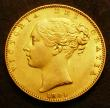
The first weekend in June is clearly popular for coin sales. Stephen Lockett commented after the event, “The market is still good and we are pleased with a £373,000 total". Top price was for an 1841 London sovereign, which is the key date rarity (as opposed to variety) in the Victorian sovereign series. Indeed, this is the first example that London Coins has offered. It was a real stunner. Apart from some surface marks, the obverse is a lustrous extremely fine and the reverse is better. The coin sold for £8,775.

Top of the English hammered gold was a Commonwealth double-crown of 1656. This is probably the least visually pleasing coin in the series, but it was offered in a high grade about extremely fine. It found a buyer at £5,850, which is a very strong realisation. Highest price for a silver hammered coin was the £644 paid for a Philip & Mary undated shilling. However, it was not the best of specimens as there is some evidence of smoothing in the fields and there are scratches on the reverse. Otherwise it is in nearly very fine state.

The highest price for a British milled silver coin was paid for a 1934 crown. All the George V fourth coinage crowns struck from 1928 through to 1936 have a relatively low mintage, but the 1934 issue, with a mintage of 932, has the lowest of the lot. In recent years it has become increasingly popular. Apart from a few minor surface marks on its obverse, the example at this sale is in a lustrous uncirculated state. The estimate was a punchy £3,250-4,000, which proved right. The piece sold bang on its top estimate at £5,850.

Top of the world coins was a Chinese set of 25 quarter—ounce panda coins in .999 gold commemorating the 25th anniversary of the first issue of the series. The set sold for £4,388. Among other modern sets, the UK's Jubilee Gold Proof Sets of 2002 did well. Three were offered and they sold from £3,276-3,510 each. Two 1937 UK four coin gold sets were offered in near FDC state. They sold for £3,510 each.

The cataloguer's surprise of the sale was a mixed lot of mostly 20th century British and world base coins weighing over 14kg, a few medallic items, an album of banknotes, coin album pages, and a quantity of coin magazines from the 1970s. Estimated at £5—25, it sold for £164. The strange thing is that had it been estimated at £100, it probably would not have sold. Oh! The psychology of auctions! It is probably now being sold in smaller lots on eBay for a tidy profit.

Coin News: May 2009 p27

London Coins – General Sale – February 28 & March 1, 2009

Prices for copper and bronze material was very strong. For example, an 1843 penny with no colon after REG was offered in uncirculated state with around 70 per cent lustre. Estimated at £750—1,500, the piece was contested to £4,212. Interestingly, the same coin but with the colon was also offered in about uncirculated state. It sold for a hammer price of £1,500 (£1,755 with Premium) against a hammer price of £1,200 in the same room in 2006. It is good to see that coins are currently bucking the trend.

The sale also featured the collection of Peter Davies, author of British Silver Coins Since 1816. Mr Davies is a variety specialist. The highlight here was a very rare variety of the 1819 crown. Its rarity lies in the fact that the Q has a small, almost non-existent stalk. The piece sold marginally below estimate at £1,638. Among the certified UK coins offered was a small run of George V shillings that were “the Finest Known” in the Coin Grading Service’s (CGS) Population report. For example, a 1927 shilling graded UNC 88, that is the best of the seven specimens so far graded by CGS, realised £152.

Modern Royal Mint gold sets continued to be in demand with a 1989 four coin set setting a new record at £2,808. The sale totaled £642,645, which is London Coins’ highest achievement to date.

Coin News: February 2009 p32

As I browsed through this catalogue, I was drawn to a rather splendid example of a Charles I shilling struck at besieged Newark in 1645. By the very nature of these specimens I being an emergency coinage, surviving examples are not always the best creations to emanate from a mint. However, this one was a textbook image of sheer perfection. In choice extremely fine state, it is well-struck with no areas of weakness. It is beautifully toned and there is even some evidence of the design of the original domestic plate from which it was struck. The cataloguer wrote, "by far the finest example we have seen and perhaps the finest known of this type". I would be surprised if this statement could be challenged. The estimate was a punchy £l,500-£2,500. It sold exactly on its top expectation at £2,937. A 1642 Oxford Mint silver pound generally in a pleasing very fine state, failed to sell with an estimate of £7,500-£9,500.

The scripophily did well. The surprise here was a lot comprising a Banque Fonciere du Government de Kherson bond for 1000 roubles, a City of Kharkov 1911 Loan bond for 187.5 roubles and a Lombard de la Capitale Petrograd certificate, all with coupons. Estimated at £60-80, they sold for a £702. Russian material is getting increasingly difficult to estimate.

The highlight of the banknote section was a Northern Ireland National Bank £10 dated May 6 1929. Apart from being cleaned or pressed, the piece is otherwise in very fine to good very fine state. It sold for 20 per cent above it highest expectations at £1,404.

An interesting lot in the world coin section was a New Zealand 1964 shilling reverse with TRIAL raised in the field. The piece is muled with the obverse of the Royal Mint’s 1957 “Britannia Moneta” medallion. The piece has a diameter of 23.5mm and is struck in cupro-nickel whereas the medallions had a diameter of 36mm. This “highly unusual” piece was estimated at £100-£200. It was contested to a staggering £702. Surprisingly a choice German States Regensburg thaler of 1793 in uncirculated state failed to sell with a lower estimate of £750. It was a very pleasing coin. However, an Austrian 1852 thaler in a nicely toned extremely fine state sold for more than double its top estimate at £327.

In the English milled section a very rare 1863 Gothic Florin in “only fair” state sold for £538. There was a relatively large section of UK slabbed coins certified by British companies. Highlights here included a 1905 halfcrown, a key date in the series, graded by CGS as 50 (nearly extremely fine). It sold for £l,930. A 1913 shilling Unc 82 realised £210.

The sale totalled £408,000 bringing London Coins annual total to £1.56 million against £1.54 million in 2007.

Coin News: November 2008 p28

London Coins – General Sale – September 6 & 7 2008

“There is no sign of the credit crunch here", remarks Stephen Lockett from his base south of London. He continued, “I asked a Russian buyer, who had journeyed from Siberia to our sale, how the credit crunch was affecting the Russian market. He looked at me seemingly astonished by the question and said, ’In Russia we start to worry about inflation at 1000 per cent, not before’.”

Banknotes have been popular here for some time. A regular client of London Coins had attended a non-specialist provincial sale on the south coast where he purchased a quantity of Bank of England “white notes”. These, according to Stephen Lockett, he immediately consigned to London Coins and more than doubled his money. The top lot was a £10 issued at Bristol in 1932. Practically in mint state, it sold for £12,925. A £5 issued in London in 1933 in the same state sold for £4,230.

London Coins has established a reputation for getting good prices for modern Royal Mint and other cased proof sets. Consequently there was a very large offering at this event. Indeed, I have never seen so many placed under the hammer at one time. A notable result here was the £3,408 obtained for the very impressive 2002 Golden Jubilee gold proof set comprising 13 coins from the £5 to the Maundy penny all struck in gold. This set is the most popular proof set to have been by the Royal Mint in recent years.

The English hammered silver coin to catch my eye was a Harold II (1066) PAX type penny by the moneyer Aegelric issued at Shrewsbury. The piece is in extremely fine state. Examples in this state are rare. It sold for £5,875, its lower estimate. The sale was short on hammered gold, but a pleasing and affordable example was the Edward III (1327-77) quarter-noble (S1501) in very fine state. It sold just above its lower estimate at £540.

A highlight of the British milled silver was an 1884 pattern halfcrown by Edward Boehm. Of the highest rarity, its obverse features a Jubilee style bust and the reverse Royal Shield within a crowned garter. In mint state, the piece sold for £4,230. The coin was unsold at the Spink sale of the Colin Adams Collection in 2005. The choicest of the milled gold was a 1745 LIMA guinea in about uncirculated state. With an estimate of £9,000—£10,000, it unfortunately failed to find a buyer. However, an extremely fine 1714 guinea retaining some of its original brilliance, did find a buyer at £3,290.

A modern curiosity attracted attention. This was a 1971 decimal penny mis-struck in brass. Only two to three examples are believed to exist. It sold within estimate for a healthy £329. There was also a medieval curio. This was catalogued as an Edward VI trial in lead of the 1551 crown- the first “silver" crown in the English and subsequently the British series. Unfortunately it failed to sell.

The highlights of the world section also did not find buyers. These were an Austrian 1682 10-ducats in gold struck with a one-thaler die estimated at £3,500—£6,000, an Austrian States 1628 Salzburg gold 4-ducats estimated at £3,000-£5,000 and a Hungarian undated gold 10-ducats estimated at £8,000—£12,000. However, a lustrous uncirculated Louis d'or of 1749 with some haymarking and adjustment marks did found a buyer marginally below estimate at £1,175. The total was over £483,000. So despite the disappointments in the world section, the sale was nevertheless a success.

Coin News: August 2008 p27

London Coins – General Sale – June 6 & 7 2008

This sale broke with tradition and was held on a Friday and Saturday as opposed t0 a Saturday and Sunday. The top price was for an impressive Charles 1 1643 Oxford mint triple unite. This is an example of the large bust without a scarf. The piece has some minor weakness in the reverse central legends, but is otherwise in very fine / nearly very fine state. It sold for £16,500, its lower estimate. Top of the milled gold was a 1729 five-guineas. Encapsulated by the Coin Grading Service at (CGS) and graded EF 70—which is extremely fine with traditional grading. It sold for £8,910.

A good run of milled sovereigns was offered. The most sought after piece here an 1836 example. Listed by Marsh in The Gold Sovereign as 20A, this variety has an N in the shield above ANNO. The variety was only discovered in 1995. Although the coin has a slight weakness on the Irish harp in the shield, the piece is otherwise in good fine/ very fine state. The coin offered at this sale is better than the one illustrated in Marsh. It is listed in the 2008 Standard Catalogue at £3,500 in fine and £8,500 in very fine state. The example offered here found a buyer at £4,400. The top price for a British silver coin was the £7,150 paid for a choice 1853 Gothic proof crown with the SEPTIMO edge. Apart from a few light surface marks and hairlines, the piece is in good extremely fine state and is nicely toned with an underlying lustre.

Victorian bronze pennies have been enjoying a very strong market for the last couple of years or so. The highlight at this sale was an 1861 example struck from dies 3 + D (Freeman 21). Freeman in the Bronze Coinage of Great Britain gives this variety an 18-rarity rating, which indicates that six to 15 specimens are in existence. The coin offered here has traces of lustre, some surface or carbon marks and a small spot in front of Britannia. It was otherwise described as “superior to the example in the Laurie Bamford Sale" (DNW June 2006)—which was graded as very fine. It sold for a hammer price of £1,200. So, what did this, probably the finest surviving example, realise at the sale? A hammer price of £5,230, or £5,753 with the Premium.

The sale totalled over £390,000.

Coin News: May 2008. pg 31

This has to be a first – the successful bidder’s car broke down while removing his newly acquired “bulk lot” from the sale’s venue. To be fair, it was perhaps one of the mightiest coin bulk lots offered at a coin auction. Consisting of 22 boxes of British and world coins together with two boxes of CGS encapsulated material, it weighed over 230 kilos! Described as, “the property of a new dealer who has ran out of ‘sorting’ time who wishes to clear his entire stock and change direction”, it was offered with an estimate of £1,250-£3,500. The fact that, not unreasonably, it had to be removed on the day of the sale by the buyer could have dampened the bidding. Nevertheless, it did sell within estimate at £1,870. As to whether it was a good buy, of course, depends on how much the car repair cost.

The top British gold coin of the sale was an Edward III post-treaty period noble (S1518). Described as being in nearly extremely fine state and with a full flan, the piece sold on its top estimate at £1,540. However, the highest price for a coin at the sale was paid for a British silver coin. This was an encapsulated 1841 halfcrown graded by CGS at EF 70, which the cataloguer notes “would certainly grade [as] about uncirculated or better on the traditional market”. Whether one favours the descriptive or numeric grading system, the fact remains that this is a choice specimen, a fact demonstrated by the competition for its acquisition. An uncirculated specimen is priced at £3,000 in the Coin Yearbook. The coin sold for £3,740.

London Coins sells more encapsulated coins that any UK auction house. It is interesting to note that a 1965 halfpenny graded by CGS at UNC 90 sold for £44 against an estimate of £15-£25 and a Coin yearbook price of 20p. Of the 44 1965 halfpennies CGS have graded, this is the tops, hence the coin being contested. For details of CGS’ Population Reports first go to www.cgs-uk.biz, register on the Home Page and then click on to the reports. It makes quite interesting reading.

Top of the world coins was a 1921 Greek 50-lepta struck at Birmingham’s King’s Norton Mint. The piece was originally offered in June 2006. The cataloguer drew potential bidders’ attention to the note in the Krause Standard Catalogue Of World Coins that most of this issue was melted and that it is estimated that only 30-40 pieces have survived. Krause then and now list a VF example as US$2,000. London Coins’ specimen has a small edge bruise near the mint mark, but it otherwise in very fine state. In 2006 a very conservative estimate of £300-£500 was placed on the lot. It then sold for £3,740 and realised the same sum in this sale.

The big surprise of the world section for the cataloguer was when an 1835 gold mohur struck at the Calcutta mint was offered. I good very fine state, it sold for £2,090 against the estimate of £300-500.

The sale totalled £240,299 (including the paper money sale of March 1 – see page 68 for our report) There were 86 sellers and 228 buyers.

Coin News: November 2007. pg 26

London Coins – General Sale – September 1 & 2, 2007

This was London Coins’ best ever sale, both in the number of lots offered and the realisation. The 2,640 lots resulted in a total of 580,000. There was another record for the auction house too – the highest realisation for an individual coin. So congratulations all round to Steve Lockett and his team.

The top coin was an Australian New South Wales 1813 five shillings, better known as a “Holey Dollar”. Australia’s early coinage was very cosmopolitan: Spanish 8 reales, British and Irish banknotes, together with coins from all parts of the world. Nevertheless, despite the array of currencies in circulation, the total was inadequate to supply the country’s growing needs. Great Britain was hard pressed to make up the shortfall as a result of a shortage of bullion being brought about by the wars against Napoleon Bonaparte.

However in 1812 40,000 Spanish 8-reales (also known as dollars or pieces-of-eight) were sent from London. Australia’s Governor Lachlan Macquarie was determined that the coins should stay in circulation in the colony. He therefore ordered that the centre of each coin should be punched out. The “dump” – that is the removed centre – was placed in circulation at 15 pence, while the ring circulated at 5 shillings. The combined “face value” of the two components was 6.25 shillings against the combined intrinsic value of 4.75 shillings.

The “ring” was counter stamped around the centre aperture with NEW SOUTH WALES 1813 on the obverse and FIVE SHILLINGS on the reverse. The Holey Dollars continued to circulate until 1829 and were then withdrawn. Today, only around 200 are thought to exist. The have surfaced in all sorts of strange ways, including one being discovered in a tin of washers! The example offered at this sale was unearthed in Oxfordshire, together with mainly pre-1900 British and colonial coins.

The host coin is a Mexico City 8 reales issued in 1800. It is generally in very fine state, but the counter stamp is in better condition. The coin was offered with an estimate of £5,000-£10,000. It certainly generated interest. There were five individuals bidding by telephone. Bidding started at £28,000 and the telephone bidders took it in £2,000 increments to £50,00. This was clearly a psychological barrier as the next bid would be £55,000. Steve Lockett, who was taking the sale, then stepped down from his podium as if to engage directly with the bidders. He asked each of the four under-bidders if they prepared to go to the next stage. Steve Fenton of Knightsbridge Coins was prepared to do so and therefore secured the lot for a hammer price of £55,000 - £61,462 with Premium. He was bidding from the Philippines so in case there should be communication problems he had a colleague in the room who could reach him by a second phone link; he had also left an emergency postal bid with the auction house in case both telephone channels should fail.

The second highest price of the day was secured for a British coin, a 1950 pattern double-florin. Its reverse features Pistrucci’s St George and the Dragon within the Garter, while its obverse bears the effigy of George VI. The specimen offered here has a milled edge. An even rarer variety exists where the edge is stamped FOUR SHILLINGS on the milling. About 5-10 examples with the milled edge are known. Apart from hairlines, the piece is otherwise in extremely fine state. Estimated at a punchy £5,000-£7,500, the piece sold for £8,940.

A most unusual lot was an impressive collection of electrotypes made in the late 19th century by C. Ready. The collection, compromising about 200 pieces, was at one time owned by a major London dealership and was used for a standard catalogue compilation. It is also thought that some were sold by Seaby in the 1930’s at 7s 6d (37.5p) a pair. The various singles and pairs of electrotypes sold just below estimate at £4,917. This is below £25 each, which is the greater scheme of things is very reasonable.

A great Canadian rarity was the other highlight of the world coins. This was a 1908 sovereign struck at Ottawa Mint. A satin proof is listed in the Coin Yearbook, but this one is a currency issue. Although not listed in the Yearbook Michael Marsh gives the rarity of four to eight known. In the text he states he has seen just four examples. He continues, “I firmly believe that the [1908] currency sovereign along with the 1819 sovereign are the two rarest in the whole series”.

The coin, which had been graded by the Numismatic Guaranty Corporation as MS62, was offered with a wide estimate of £2,500-£5,000. It was certainly sold within the limits. The purchaser paid £4,694. The consignor should not have been disappointed.

This was not the only slabbed coin in the sale. Over 170 British coins graded by the UK’s Coin Grading Service (CGS) were offered. This is probably the largest number of encapsulated British coins to have been offered at auction in the UK. They proved to be very popular. The surprise was an Edward VII 1909 “UNC 82” halfcrown which sold for £838 against an estimate of £400-£600. The highest price in this section was £3,129 paid for an Oliver Cromwell 1658 shilling. It was conventionally graded at “about EF” and as “EF 70” by CGS.

With its final total exceeding all expectations, the sale was clearly a landmark auction for London Coins.

Coin News: August 2007. pg27

As usual, the sale started with an offering of banknotes. However, just over 100 of these lots had very unusual provenance. Known as the “Organ Pipe Hoard”, they were found when a church organ at an undisclosed location was being restored. When three of its wooden pipes were thrown into a skip for future incineration, an Oxo tin casually fell from one. Naturally, curiosity resulted in the box being opened. It revealed 250 white Bank of England £5 notes, including a consecutive run of high grade issued when Basil Catterns was the Chief Cashier (1929-34).

Material that is fresh to the market is always sought. When the items are of a high quality this is even more so. Add the ingredient of the romance of hidden treasure and anything can happen. Many notes from the hoard realised double or tripe their low estimate and some of the Catterns fivers sold for up to four times their lower expectations. The highlight was a Catterns £5 dated July 12, 1930 in about uncalculated state. It sold for £894.

The highest price of the sale was for a “Parchment Pair” comprising of £1 and 10-shillings issued on November 22, 1928, when Cyril Mahon was the Chief Cashier. The notes bear matching serial numbers of A01 000097 and are contained in a presentation parchment envelope – hence “Parchment Pair”. Only 125 pairs were issued and 38 are believed to be unavailable to commerce, being in national or institutional collections. The lot sold for £6,705.

The banknote section of the sale had been shown at three weekend events prior to the auction. This appears to have paid dividends as the paper money realised £98,774 against a pre-sale lower estimate of £62,000.

The highest priced coin was £5,029 pair for a rare currency issue halfcrown. The piece has two plain fillets in the Queen’s hair and the WW mark of William Wyon, the engraver of the dies, appears incuse. The type is given a R4 rarity rating in English Silver Coinage since 1649, which indicates that only 11-20 examples are believed to exist. The obverse is in good very fine state with the reverse being slightly better.

Arguably the best extent 1721 shilling was offered at the sale. This is the type with no roses and plumes in the angles of the cruciform shields featuring upon the reverse. Apart from a couple of nicks on the portrait and slight cabinet friction, the piece is otherwise virtually as struck and consequently is very rare, It sold for £2,459. The coin is ex-Harry Manville. When auctioned in June 1980, this coin realised a hammer price of £1,150. Those who promote coin investment should note that doubling investment over a 27-year period is a very poor return.

A Vietnamese undated milled gold 7-tien of the ruler Tu Duc (1848-83) was offered in the world section. The coin has various surface and field marks as well as nicks, but is otherwise a bold very fine. The cataloguer had given a wide estimate of £500-£1,500 and no doubt was pleased when it sold at the upper end of expectations at £1,676.

The sale total was £348,053.

Coin News: May 2007. pg 29

London Coins – General Sale – March 3& 4, 2007

This was the first sale held at The Grange Hotel at Bracknell in Berkshire as opposed to The Dartford Hilton in Kent. The auction house’s former venue was unable to provide the required accommodation. Stephen Lockett of London Coins said after the event, “I am convinced more business can be done and more bidding generated if the captive bidders at the auction have the facility view lots during the auction. The large room at Bracknell allows this to be done.” Although London Coins was concerned that its clients from Essex and Kent would not travel so fair west, the extra mileage did not prove to be a deterrent. Indeed, new faces from the Midlands, the West and South West who were attracted by a shorter journey time joined regulars from Essex and Kent.

“The sale saw fierce competition for common date English milled silver with old head Victorian halfcrowns realising three figure sums and Edward VII and George V silver selling for full catalogue price and even more. There was also fierce competition for banknotes with scarcer English notes selling for two or three times estimate”, Stephen Lockett said after the sale. Gold, copper and bronze coins have been consistently strong of late and the theme generally continued at this event.

The top price for the sale as a cracker of a William and Mary 1689 half-guinea. Described as bring a “brilliant and sharp EF with almost proof like fields”. There is an interesting ghosting of the 89 of the date, which is a furthering indication that the piece has seen little or no circulation. The coin has been in an NGC holder with a grade of MS63, The coin sold for a hammer price of £3,600, which is £3,960 with the Premium. Interestingly London Coins auctioned the same coin in November 2004. On that occasion it sold for a hammer price of £4,500. Is this an indicator that the market is not as robust as it was?

However, there was nothing weak about the performance of a silver rarity. This was an 1841 halfcrown described as “bright GVF”. This was an extremely rare date. The piece was estimated at what I consider a punchy £1,800-£2,200. However it sold for £2,860, compared to £2,500 for an UNC specimen listed in the COIN YEARBOOK 2007. However, an 1842 halfcrown in uncalculated state and retaining its original brilliance sold for £605 against a COIN YEARBOOK 2007 valuation of £1,100.

Victorian Old Head halfcrowns certainly all made three figure sums. Indeed, a particularly fine group of specimens was offered. For specimens sold for £121 each, including an 1896 one in uncirculated state with original mint brilliance and some light toning. The Edwardian and George V halfcrowns were certainly fiercely contested. A 1909 example described as “AU/UNC and richly toned with a small edge nick by GRA” was chased to £506, while a buyer had to pay £330 for a “bright EF” specimen of the same date. The COIN YEARBOOK 2007 lists a 1909 example at £200.

The highlight of the bronze coins was a 1919KN penny. Encapsulated by NGC and graded MS64 BN, it sold for £1,320 against an estimate of £600-£700. The biggest banknote surprise was a Treasury £1 Bradbury issued in 1914 with the serial number D/16 000002. Apart from a faint paper click mark on its face, it is otherwise in extremely fine state. It sold for £1,320.

The sale totalled £230,728.

Coin News: February 2007. pg 27

Just over 500 lots of banknotes were featured on the first day of the sale. English notes were strong with a Bradbury first issue type 1 Treasury £1 with the serial number letter A selling for 50 per cent above the estimate at £1,650 in almost extremely fine state. A Beverly Old Bank 5 –guineas for Harland & Tuke sold for mid-estimate at £770. There was fierce competition for three Bank of England 10-shilling notes hand autographed by Chief Cashiers. Two were signed by O’Brien (1955-62) and the third by Hollom (1962-66). These soured to £770 against an estimate of £90-£150. Significant among the world notes was a private collection of Middle Eastern notes consigned from Dubai. This attracted telephone bidding from the region with the result that some lots sold for up to four times expectations.

Despite the bad weather on the second day of the sale, which resulted in the closure of the QEII Bridge, a vital link in the M25 London Orbital that spans the Thames between Dartford and Thurrock, the room was packed when the sale started at noon. Traditionally, the second day is devoted to coins and this event was no exception. There was considerable interest in the three George I guineas offered. A 1714 example of the “Prince Elector” type was the choicest. Apart from a light adjustment mark on the garter star, the piece is in otherwise fine state. The coin has a good pedigree. It is ex-the Captain K. J. Douglas-Morris Collection that Sotheby’s sold in November 1974. On that occasion it sold for a hammer price of £4,800, that is £5,280 with the Premium. Equally interesting is the grading of the piece; 200, adjustment mark otherwise extremely fine.

However, the highlight of the sale was an Elizabeth I silver crown. Bearing the numeral one mintmark for 1601, the piece is in a sharp extremely fine state. It is struck in a full flan with all of the outer beading showing. In brief, the coin is a gem to drool over. Estimated at £6,500-£7,000, the bidding began at £5,500 and climbed upwards. The final battle between two contestants ended with the hammer falling at £11,000 that is £12,100 with the Premium. This is a new record for an Elizabeth I silver coin.

The sale totalled £330,000. There were 92 vendors and 236 buyers.

Coin News: November 2006, pg 22

London Coins – General Sale – September 2 and 3, 2006

There were many new faces at this event. Banknotes were in great demand with dealers commenting that the prices for English notes were “sky high”. As usual, there was a strong demand for Scottish material. The highlight of the coins was a 1706 five-guineas in very fine/nearly extremely fine state. It sold within estimate at £7,150. The sale totalled £314,603

Coin News: May 2006, pg27

London Coins – General Sale – March 4 & 5, 2006 There was a good offering of UK bronze and copper at this sale. The highlight was a potentially unique 1922 penny variety. Unrecorded in any of the standard references, the coin is dated 1922, but the Britannia featured on the reverse is the one used for pennies struck from 1927 through to the last issue of the reign in 1935. The pennies struck from 1911 to 1912 during George V’s reign used the same reverse die as the 1910 issue of Edward VII. For the period from 1913 to 1926 minor modifications were made to the design. Additional ripples were added to the sea immediately to the right of Britannia’s shield and there were some slight changes in the draper especially that hanging from her outstretched arm.

Additional modifications were made up to the reverse design for the coins issued from 1927 to 1935. The differences are minor:

1. The lettering, the base of Britannia’s shield and her foot sre further from the toothed border.

2. Britannia’s right hand is slightly smaller and her thumb is placed higher on the shield.

3. The exergue is deeper.

Furthermore, the obverse portrait of George V is not standard for the 1922 penny. Instead, the modified head used on the pennies of 1926 and 1927 is featured. The basic difference from the earlier effigies of the King is that the engraver Sir Bertram Mackennal had retouched the hair, beard and moustache.

It will therefore be appreciated that the visual differences do not jump out at the onlooker. Described as “a bold GF and potentially unique”, the cataloguer gave a broad estimate of £1000-£2000. Incredibly the piece was bid to £4,180. Clearly the bidders were confident that other examples would not be found. Time will only tell whether confidence was justified.

The biggest surprise of the whole sale was in the banknote section. Eight small albums of mostly high-grade notes were contested by leading dealers. The offering was strong in modern Africa, but with some earlier types. European notes, especially France, together with French colonial issues were included. Estimated at £1,200-£2,000, it sold for a staggering £6,600.

As usual, there was a good offering of bulk lots of coins. The highlight here was a large world “A-Z collection” of “many thousands of coins”. The cataloguer noted it was, “difficult to estimate the value as the lower valued items are interspersed with earlier higher grade more valuable material. Our estimate (of £3,000-£4,000) is based on a small sample, so could have a margin of error”. It was sold for £4,840. Stephen Lockett commented after the sale, “Entire collections seem to sell as well, if not better than, if they have been spilt into smaller lots”. Such is the confidence of bidders in London Coins’ estimates that postal bidders bid without viewing, the sale totalled £305,303.

Coin News: February 2006. pg 242

London Coins – General Sale – November 26 & 27, 2005

This event was held on the weekend that parts of the UK suffered very early snowfall. Road travel was very difficult in some parts of the country. However, this did stop one bidder battling his way from Cornwall, the county worst affected, to attend the event – en route he passed 30 accidents. One US collector flew in from Boston arriving at Heathrow at 8am and was viewing the auction at 9am.

The first session was entirely devoted to banknotes. The room was packed and for the first time there were two telephone bidders. The fight here was over an Australian George V £5 issued in the period 1933-39. The note is in good very fine state, but looks better. It sold for more than double its mid estimate at £770.

The demand for quality British coins was strong. However, middle grade material high value material with high reserves was sticking. For example, a 1560-61 Elizabeth I gold half pound in very fine or better state estimated at £3,000-£3,500 failed to find a buyer. However, a gold pound of the same reign issued during 1594-96 and described as having a couple of weak striking points, but which otherwise is approaching very fine state, realised £3,250 against an estimate of £1,500-£2,250. It would appear the former coin’s reserve was too high.

Here was great enthusiasm for the large group of coins of William and Mary offered. Indeed, it is probably the largest number of coins of this reign ever offered at a single sale. The highlight here was an extremely rare 1693 guinea with an elephant below the monarchs’ conjoined bust. The coin was described as “approaching very fine” and estimated at £9,075.

The growing demand for bulk lots went unabated. According to London Coins’ Stephen Lockett, the massive interest is fuelled to some extent by eBay where crazy prices can be secured. Incredibly some potential buyers are buying “unseen”. One client placed a £220 bid by phone on a lot estimated at £50 and still did not secure it. The highest price for a bulk lot was £3,080 for 473 world coins in silver, copper and bronze that dated from 16th to the 20th centuries.

The sale totalled £334,384. There were 72 vendors and 262 buyers.

Coin News: May 2005. pg 21

London Coin Auctions – General Sale – March 5 & 6, 2005

This is not a central London sale as it is held at the Hilton Hotel at Dartford Crossing. The venue is just off the M25, London’s Orbital motorway, in Kent. The organisers must have been somewhat concerned in the week leading up to the sale as the county of Kent was very badly hit by snow. However, thankfully by the weekend when the auction took place, all was relatively snow free. Nevertheless it was not all plain sailing for a bidder who flew on the Friday from Holland to London’s Standsted airport. His flight was diverted to Luton where the plane sat on the runway fro three hours while the authorities cleared the snow from runways at Stansted.

The sale is a weekend event. Viewing starts on the Saturday morning. The first sale session is held on the Saturday afternoon, while the viewing of the lots continues until the second and final sale session. This begins at 11:30am on Sunday morning.

The first session of the auction is now entirely devoted to banknotes. Making the Saturday afternoon a dedicated paper money sale has proved popular with bidders. This sale was particularly successful with over 90 per cent of the 287 lots finding buyers. The highlight was a Commercial Bank of Scotland Limited “square” one pound dated “2 January 1892”. This very scarce note is in fine state. It realised over two and a half times its estimate when it sold for £770 to a Scottish telephone bidder. Another example issued January 2, 1912 was not so keenly sought. Apart from the small rust nick at the bottom it is in “fine+” condition. It sold marginally above its estimate at £121.

The Dutchman who spent three hours on the tarmac at Luton airport secured the second top price in the paper money session. The flight time from Holland to Stansted is about 45 minutes, so was his journey from hell rewarded with a bargain? We shall never know for he purchased a multiple lot at nearly double its estimate. The lot comprised an album containing 101 British Commonwealth notes, including a Palestine £1. Many of the notes apparently are high grade and the cataloguer added a tantalising note, “viewing recommended”. I do hope our Dutch friend is pleased with his purchase after his ordeal.

Now what may have been the bargain of the sale was in the English gold section. There was a George III pattern two-guineas made by Richard Yeo in 1777. Apart from the two edge knocks by GEO on the obverse and being lightly scuffed, this extremely rare coin is otherwise in extremely fine state. It is from the collection of Herman Selig who was an enthusiastic collection of English coins for near 40 years. Spink sold his milled coins in 1999. This particular coin was then estimated at £14,000 to £18,000 but failed to sell. Now this was not an unreasonable estimate as a comparable specimen sold at auction in London during 1974 for £9000.

London Coins Auction adopted a conservative approach for its sale. The estimate was a tempting £7,500. However, this even proved too much as the coin sold for a hammer price of £5,000 – this is £5,500 with Premium. In other words, it realised just over half the sum for which a specimen sold for 31 years ago. Pattern coins do not necessarily appeal to everyone; however, one would have expected a coin, of which probably only six to 10 are known, to have raised a little more. Of course, it could have been a forced sale. Nevertheless, if time and patience had been on the vendor’s side, I feel sure that they could have done better than this.

However, the impression must not be given that sales outside London are places to pick up a bargain. During the middle of the sale, 14 Norwegian 10-ore coins dated 1877 were offered in nine lots. Four containing one specimen, the other five containing two coins. The condition of each was the same, “good EF or better with some subdued toning”. Each coin was estimated at £75 each (£1,050 for all 14). However the nine lots sold for a total of £3,400 to Scandinavian buyers. When a single lot of 14 of the same coins was latter offered in this sale in the same state with “some toning, some of this uneven”, the cataloguer was anticipating £700 – which is £50 a coin. However, this lot sold for £3,300.

The highest price of the sale was a slabbed PCGS MS1701 5-gunieas. Examples in this state of preservation are scarce. It sold to a room bidder for marginally over estimate at £8,800. However, another slabbed example, this time a NGC AU55 failed to find a buyer with an estimate of £6,000. There were over 90 lots of certified English coins at this sale. As far as I am aware, no UK auction house sells more.

There was some reasonable English hammered gold. For example a Henry VI (1422-27) annulet issue noble struck at York was offered. It has some minor scuffing, but otherwise in good very fine state. It sold for marginally above estimate at £1,320. Issues from the York mint are generally rarer than those struck in London. An example of a James I (1603-25) first bust crown in bold very fine state (reverse better) sold on estimate at £605.


London Coins is a member of the BNTA


© 2009 London Coins. All Rights Reserved.